Conquer The World WW2 Scenarios & Modes Guide
Every map mode and historical scenario in CTWWW2, and how tech and nukes differ between them.
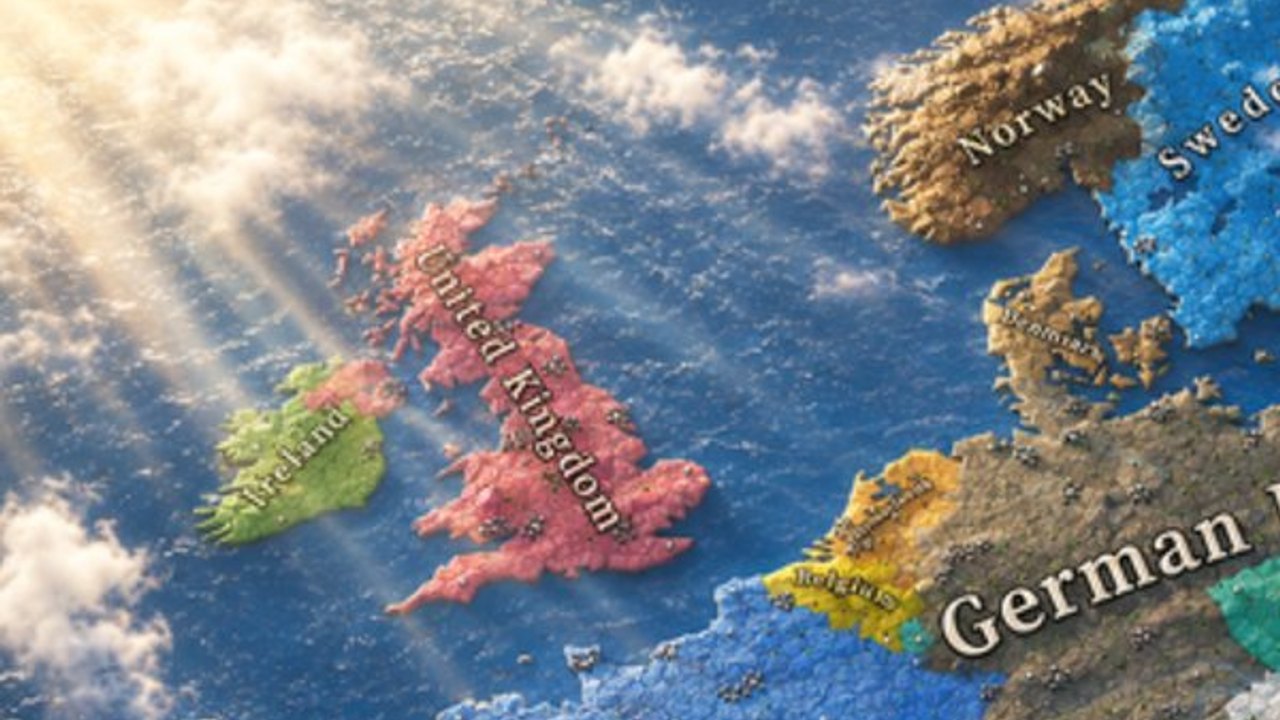
Before you queue into Conquer The World WW2 (CTWWW2), you choose more than a nation — you choose a scenario, a map scope, and sometimes a special mode like History Mode. Those choices shape how fast wars start, how far the research tree extends, and whether nuclear weapons ever enter the match. Players often refer to the game as CTWWW2 (Conquer The World WW2) or CEWW2 (Conquer Europe WW2) depending on which map they are on, and picking the wrong mode for your experience level is one of the most common reasons a first session feels overwhelming.
The three historical scenarios
CTWWW2 offers three broad historical settings, each with a different starting tech level and strategic tempo:
- WW1 — slower opening, earlier-era equipment, and fewer players rushing straight to end-game weapons. Good for learning economy and diplomacy without immediate nuclear pressure.
- WW2 — the default experience most players mean when they talk about CTWWW2. Standard research pacing, full four-pillar gameplay, and the scenario where nation tier lists and starter picks matter most. Start here if you have already read Getting Started.
- WW3 — modernized tech baseline and a shorter path to advanced weapons including nukes and missiles. Wars escalate faster and mistakes are punished quickly. Read Research & Nukes and Warfare before jumping in as a major power.
The scenario you pick determines how soon advanced systems appear. A WW1 match may never reach nuclear escalation in a typical session length, while a WW3 lobby can see missile and nuke research on the table within the first hour if majors commit to it.
Europe vs World map modes
Within each scenario you usually choose between a Europe-focused map (often called CEWW2 — Conquer Europe WW2) and a World map (the full CTWWW2 experience). The difference is scope, not rules:
- Europe map — fewer nations, shorter borders, faster contact with neighbors. Player density feels higher because everyone is on a smaller stage. Ideal for shorter sessions and for learning front management without managing overseas colonies.
- World map — 200+ nations across every continent. More isolation options for small nations, but also more unpredictable human players on distant fronts you forgot to watch. Better for long-form campaigns and major powers that benefit from resource diversity.
If you are brand new, Europe + WW2 is the most forgiving combination: fewer neighbors to track and a tech pace that matches the core guides on this wiki. Graduate to the World map once you can manage multiple borders without panicking.
History Mode
History Mode is a structured variant where nations start closer to their historical positions and objectives, with less room for random diplomatic chaos in the opening minutes. It appeals to players who want a recognizable WW2 (or WW1/WW3) setup rather than a sandbox where Germany might be at peace with France indefinitely because of a random non-aggression pact.
History Mode runs faster than you might expect — community videos show compressed timelines where events that normally take an entire match can resolve in a fraction of the time. Treat it as a way to experience historical pressure cookers, not as a relaxed learning environment. Pair it with the Nation Tier List to see which historical majors attract experienced players in this mode.
When to pick each mode
| Goal | Recommended pick |
|---|---|
| First ever match | WW2, Europe map, small nation — see Best Starter Nations |
| Learning economy and diplomacy | WW1 or WW2 Europe, avoid WW3 until basics click |
| Full grand-strategy scope | WW2 World map as a mid-tier or major power |
| Fast escalation and end-game weapons | WW3 World map with a major power and a research plan |
| Historical flavor and structured openings | History Mode on the scenario you know best |
None of these choices lock you out of content permanently — they change pacing and pressure, not the fundamental four-pillar systems.
Tech and nuke differences by scenario
Research trees are shared in structure across scenarios, but the starting point and time-to-nuke differ sharply:
- In WW1, reaching nuclear weapons may be impossible within a normal session because the scenario never advances far enough for some lobbies. Focus on industry and conventional warfare instead.
- In WW2, the full chain from Industry I through Bomber II to Nuke research is the intended end-game arc for majors. The live Nuke Rework adjusted how nukes fit alongside missiles — verify current behavior on a live server if your last match was months ago.
- In WW3, you start closer to advanced tech, which means Missiles & Forts systems and nuclear escalation appear earlier. Spread production and avoid stacking armies on one border from minute one.
Small nations in any scenario should still prioritize industry and defense before chasing nukes. The scenario changes how fast majors reach the end game; it does not change the fact that a minor power loses a production race if it neglects its economy.
Scenarios and the tier list
Nation rankings on the Tier List hub assume a standard WW2 World or Europe context unless noted otherwise. A nation rated A-tier on the World map may feel different on Europe because border count and player density change. History Mode further shifts value — historical majors start with obligations and neighbors that sandbox mode does not replicate.
Before copying a tier list pick blindly, ask whether the video or guide you watched used the same scenario and map you are queueing into. Greece on CEWW2 Europe plays differently from Greece on the full World map in a WW3 lobby.
Switching modes between sessions
You can change scenario and map every time you rejoin — there is no account-level lock-in. Many players learn on Europe WW2, then move to World WW2 for longer campaigns, and occasionally queue WW3 or History Mode for variety. Keep separate mental playbooks: your WW2 small-nation survival habits from Small Nation Tips still apply in WW3, but the timeline for when you must have fortifications and missile awareness is much shorter.
Common scenario mistakes
- Queueing WW3 as a first match and getting erased before learning factory basics.
- Picking a World-map major power without understanding multi-front diplomacy.
- Assuming History Mode is slower — compressed timelines can punish unprepared nations faster than sandbox.
- Ignoring map choice when following tier list advice from a different mode.
- Researching nukes in WW1 when the session will end before the chain completes.
Quick reference before you queue
- Confirm scenario (WW1 / WW2 / WW3) matches your experience level.
- Pick Europe for shorter sessions or World for full scope.
- Choose a nation from Best Starter Nations if you are still learning.
- Skim Getting Started for first-order checklist.
- If the lobby is WW3 or History Mode, read Pro Tips for pacing advice before you spawn.
Frequently Asked Questions
Quick answers to the most common questions.
What is the difference between CTWWW2 and CEWW2?
CTWWW2 usually refers to the full World map experience; CEWW2 (Conquer Europe WW2) is the Europe-focused map with fewer nations and tighter borders.
Which scenario is best for beginners?
WW2 on the Europe map with a small starter nation — it matches the pacing of the core guides and limits early threats.
Does History Mode include nukes?
It depends on the scenario selected within History Mode — WW3-based History lobbies reach advanced weapons faster than WW1-based ones.
Can I reach nukes in a WW1 match?
Usually not within a typical session length, because WW1 scenarios start earlier and often end before the full nuclear chain completes.
Should I use the World map or Europe map?
Europe for shorter sessions and learning; World for full 200+ nation campaigns and major powers that benefit from global resources.